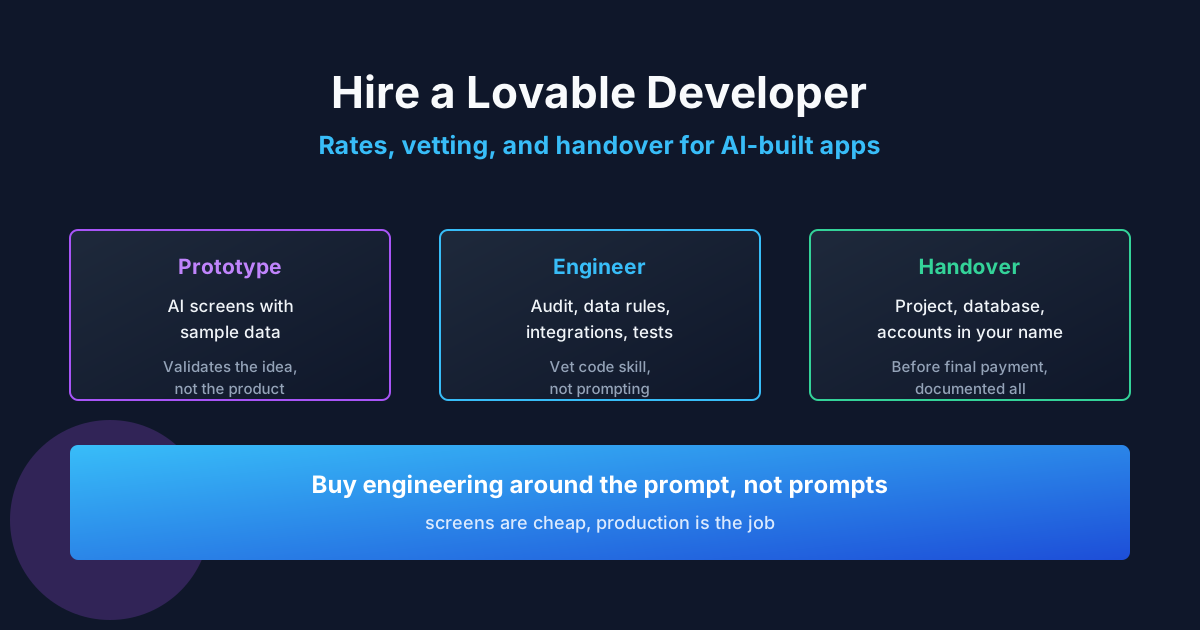
A Lovable developer should turn your AI prototype into software your business can operate: reviewed code, real data, working integrations, and a handover you control. This guide covers rates, vetting, and the Lovable-specific ownership details.
 Michael Melnyk·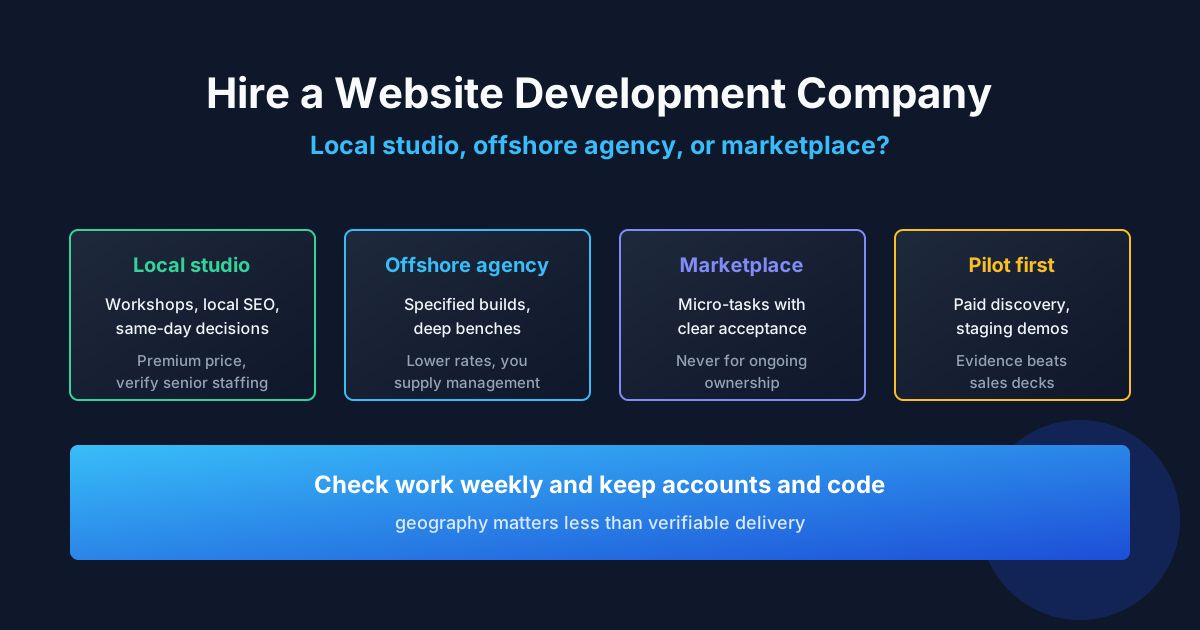
The right web development company fits your scope, communication needs, and budget — whether local, offshore, or marketplace. This guide covers vetting, regional tradeoffs, contracts, and the ownership details that protect you.
Michael Melnyk·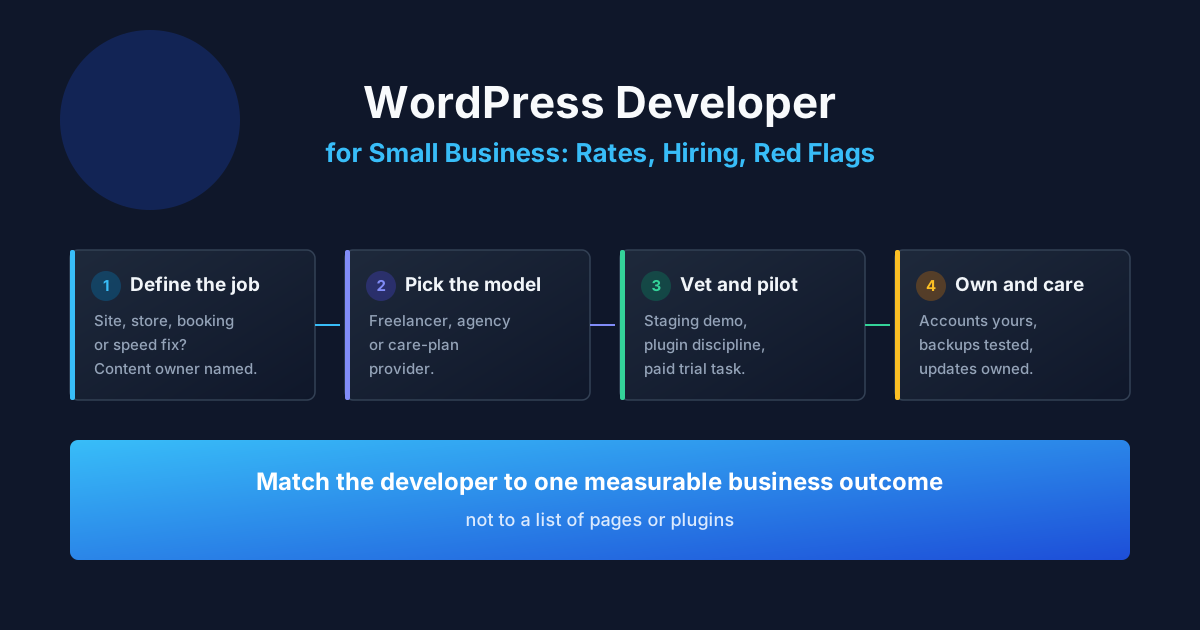
A WordPress developer should turn your site into a business asset: fast pages, working checkout or booking flow, and a setup your team can operate. This guide covers rates, hiring models, vetting, and the ownership details that keep you in control.
Michael Melnyk·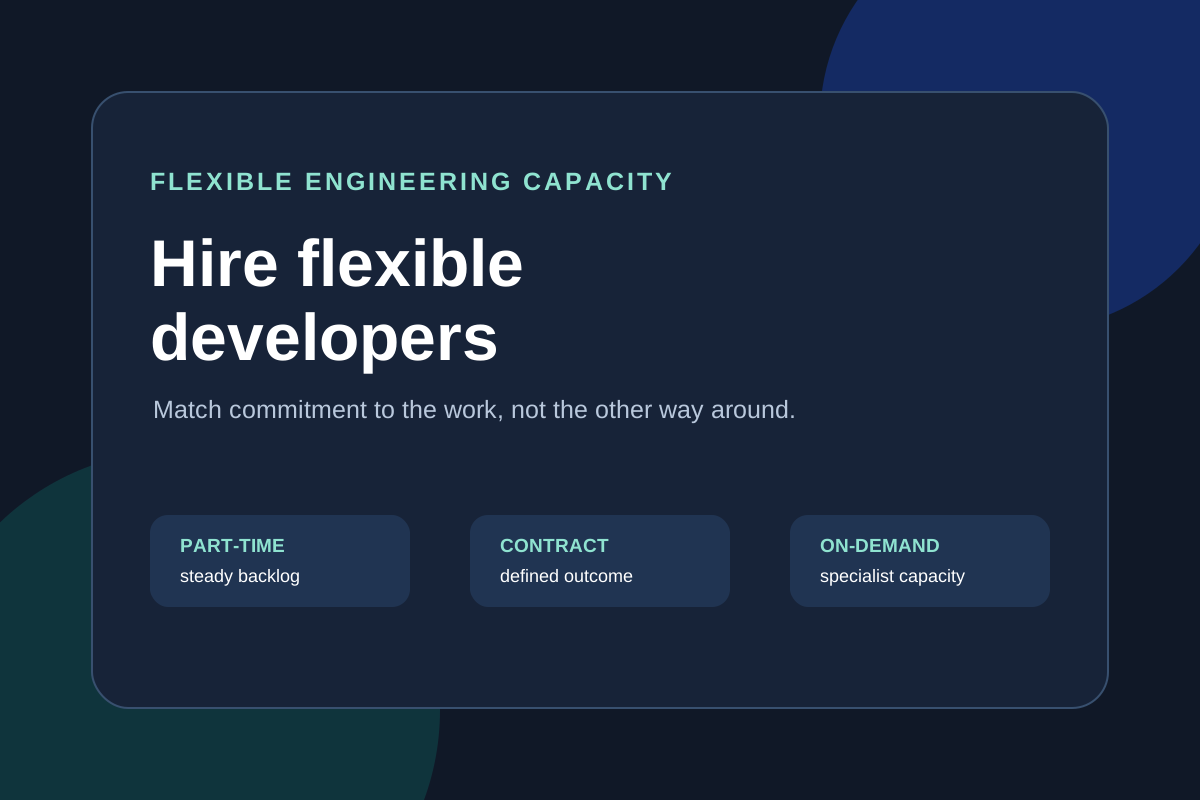
A full-time hire is not the only way to add engineering capacity. Match the developer's commitment to the workload, test the relationship with a small delivery, and expand only when the evidence supports it.
Michael Melnyk·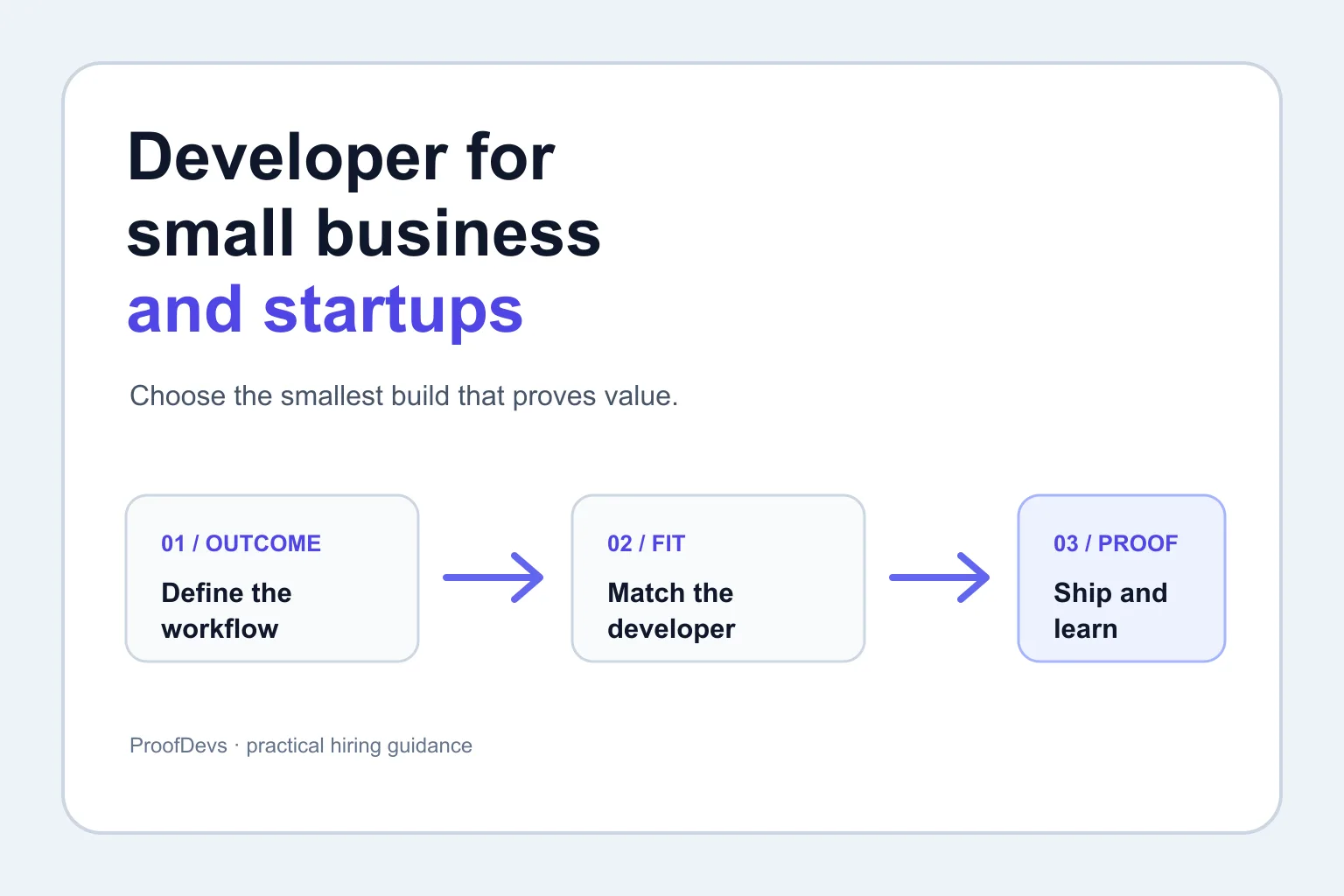
A small business usually needs a developer who can turn one costly manual task into a reliable workflow. This guide helps you choose the right scope, compare website and app specialists, and hire without buying a full team too early.
Michael Melnyk·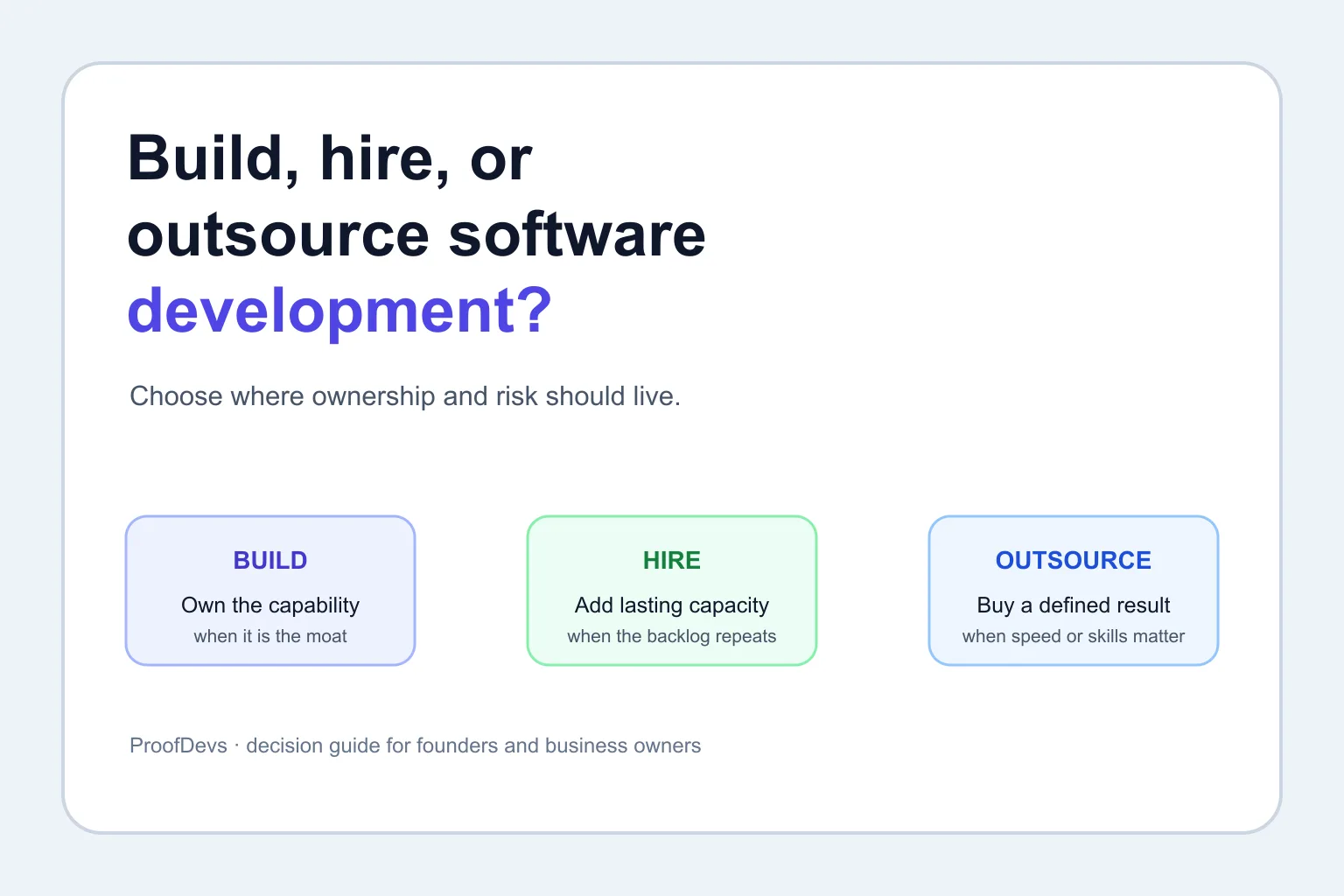
The cheapest quote can create the most expensive dependency. Use this decision guide to separate core product work, repeatable capacity, and bounded delivery before choosing an in-house developer or an external partner.
Michael Melnyk·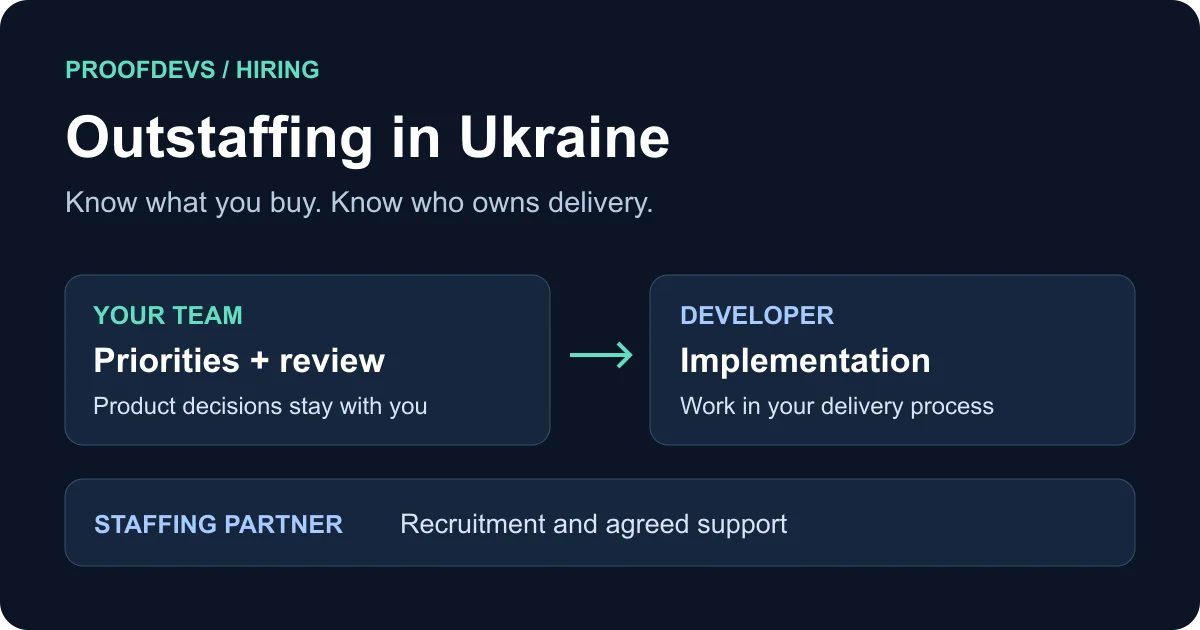
A monthly developer invoice buys capacity. Who turns that capacity into a release? That responsibility should be clear before you choose an outstaffing partner in Ukraine.
Michael Melnyk·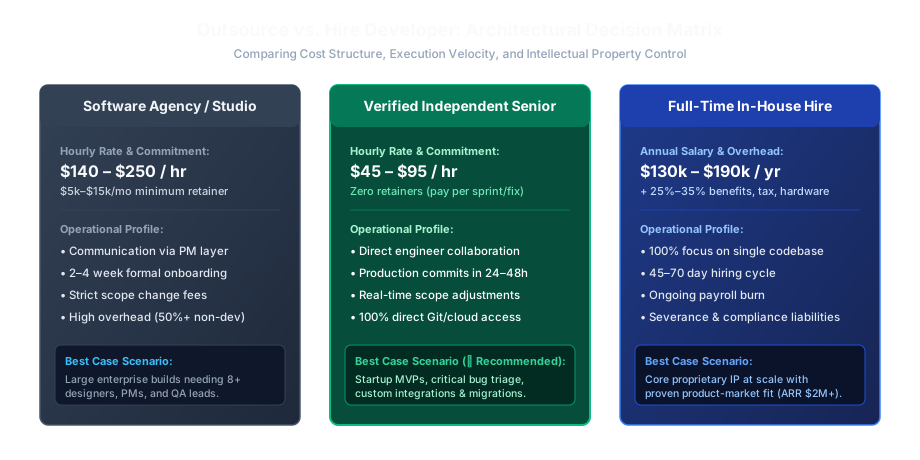
Choosing between outsourcing to an agency, hiring in-house, or engaging a vetted independent developer determines your capital burn and technical velocity. Here is how the three models compare on real costs, repository access, and project failure rates.
Michael Melnyk·
A custom website is valuable when your business workflows, customer journey, or growth plans no longer fit a template. This article explains how to scope the build, control cost, and avoid paying for complexity you do not need.
Michael Melnyk·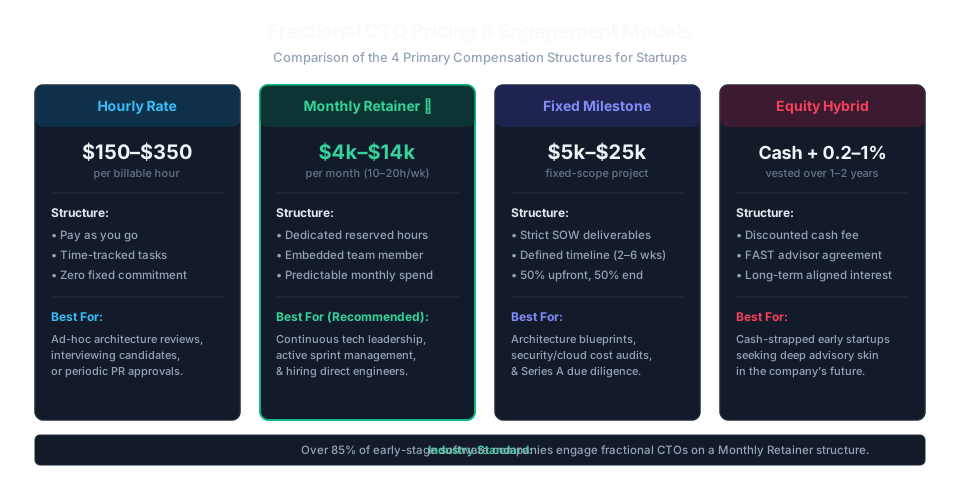
Explore fractional CTO rates in 2026: compare hourly pricing ($150–$350/hr), monthly retainers ($3k–$15k/mo), equity compensation, and how startups calculate ROI against full-time executive salaries.
Michael Melnyk·Describe the task, the stack or the problem. We connect you directly with developers who have shipped it before.
